
Harness Guide
Best Dog Harnesses: How to Choose for Comfort, Fit & Style
Learn how to choose the best dog harness for comfort, fit, control and timeless style.
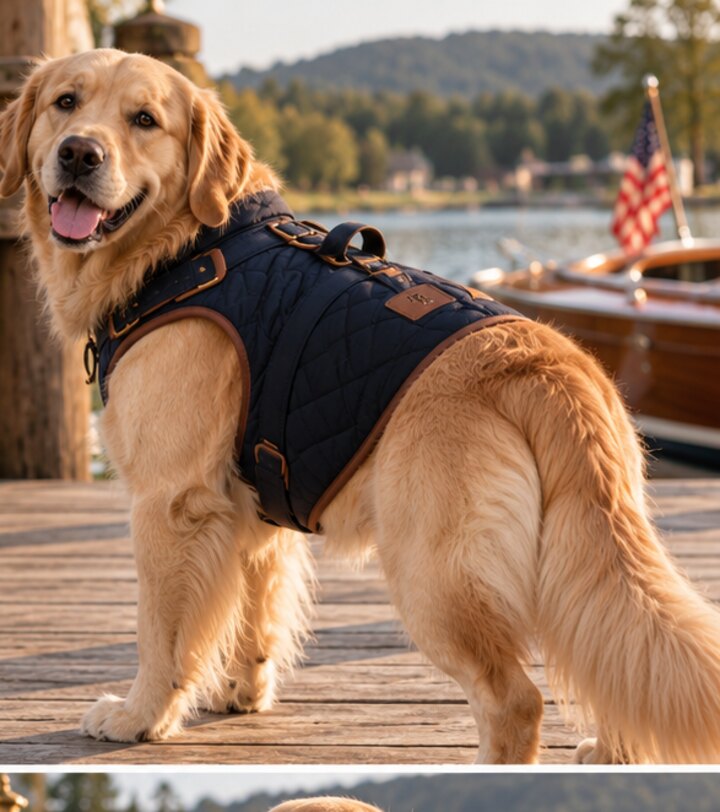
The best dog harness should do something deceptively difficult: feel comfortable enough for everyday wear, provide the control an owner needs, fit the dog’s body correctly and still look like something you are happy to put on before every walk.
For years, dog owners often had to choose between technical-looking equipment and apparel that prioritized appearance over function. The better approach is to expect both. A well-designed harness can distribute pressure across the chest and torso, allow natural movement, provide useful leash attachment options and complement a dog’s appearance rather than overwhelm it.
What Makes the Best Dog Harness?
There is no single harness that is best for every breed or every walk. A small companion dog, a broad-chested French Bulldog and a large Labrador have very different proportions. The right choice starts with fit and intended use rather than color or size label alone.
Look for a harness that sits securely without pinching, rubbing behind the front legs or restricting the shoulders. It should feel substantial without adding unnecessary bulk. Compare Regent & Rover’s premium dog harnesses and apparel to see how refined style can work alongside practical construction.
Comfort Comes First
A harness touches a large portion of a dog’s body, so the surfaces that make contact matter. Soft lining, thoughtfully finished edges and appropriate padding can help reduce friction. Breathable materials are especially useful for dogs that wear a harness for longer periods or live in warmer climates.
More padding is not automatically better. Excessive bulk can trap heat and interfere with movement. The goal is targeted comfort: cushioning where it helps, structure where it is needed and freedom where the dog needs to move.
Fit and Adjustability Matter More Than the Size Label
Dog harness sizing is not universal. Measure your dog and use the specific product’s sizing chart rather than relying on breed or weight alone. Chest girth is one of the most important measurements: measure around the widest part of the rib cage, typically behind the front legs. Depending on the design, lower-neck circumference may also be needed.
Once fitted, the harness should be snug enough to stay in position while leaving comfortable room beneath the straps. Check it while your dog is standing and again while walking. For detailed steps, see how a dog harness should fit.
Front-Clip, Back-Clip or Both?
A back leash attachment is simple and convenient for everyday walks, particularly for dogs that already walk calmly. A front attachment can give the handler another point of control and may help redirect forward movement in some situations.
Versatile premium harnesses often incorporate both. The Regent Quilted Harness Vest combines front and back leash points with a breathable lining. A harness will not train a dog by itself, but two attachment options let an owner choose what best suits the dog and outing.
Look Closely at the Construction
The difference between an inexpensive-looking harness and a high-quality dog harness is often found in details that are easy to miss in a photograph. Inspect stitching around high-stress areas, buckle placement, leash rings, strap anchors and edge finishing. Hardware should be proportionate to the dog, and adjustment points should remain secure after they are set.
Durability is part of comfort. A product that twists, loosens or changes shape with use can affect fit as well as appearance. The reinforced Equestrian Utility Harness expresses secure construction through a classic, equestrian-inspired design.
Can a Dog Harness Be Stylish and Functional?
Absolutely. Function does not require a harness to look tactical or overly technical. Navy, forest green, camel, cream, burgundy and heritage-inspired plaid can create a refined look. Quilting, corduroy-inspired trim and antique-brass-look hardware can add character without turning the harness into a costume.
Style should be built around function, not placed on top of it. The Kensington Plaid Harness pairs Regent Plaid with a padded Y-shaped chest for that balance.
Choosing for Your Dog’s Lifestyle
For neighborhood walks, prioritize easy fastening, comfort and adjustability. For stronger dogs or dogs needing more handling options, look for secure construction and useful attachment points. For longer outings, consider breathability, weight and freedom of movement.
If your dog regularly wears coats or sweaters, consider how the harness works with layers. The best setup is the one you can use naturally and consistently.
A Simple Checklist Before You Buy
Ask whether the harness is sized from real body measurements, can be adjusted, allows natural shoulder movement, has comfortable contact surfaces, provides the leash attachment you need and appears durable. Finally, ask whether you will enjoy putting it on your dog every day.
When comfort, fit, function and style come together, a harness becomes more than equipment. It becomes one of the most-used pieces in your dog’s wardrobe.