
Fit & Sizing
How Should a Dog Harness Fit? A Complete Measuring & Sizing Guide
Measure chest and neck girth, check adjustment and learn the signs of a secure, comfortable fit.
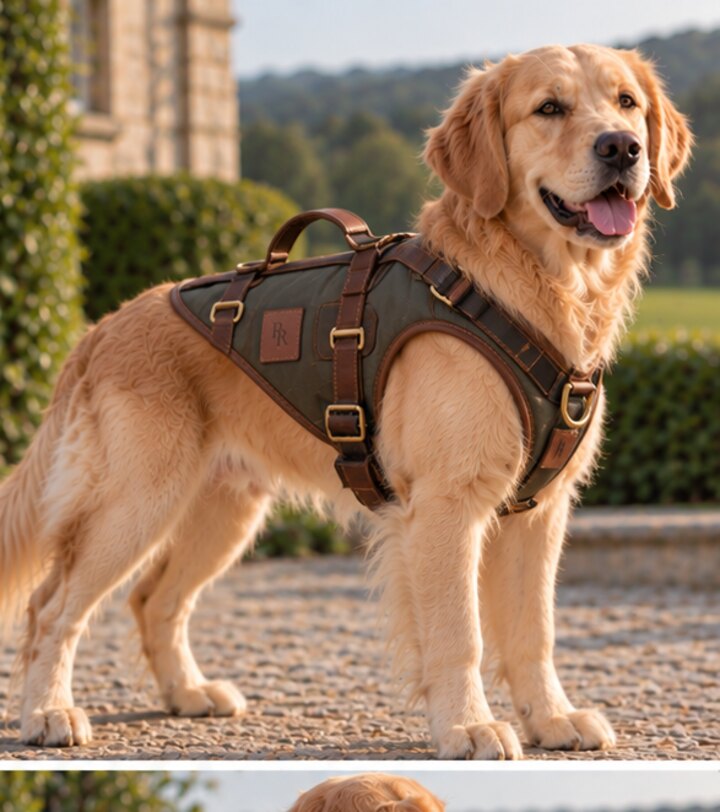
A beautiful dog harness is only as good as its fit. Too loose and it can shift, rub or become easier for a dog to back out of. Too tight and it can pinch, chafe or interfere with comfortable movement.
Getting the fit right is straightforward when you measure the dog rather than guessing from breed, age or weight. This guide explains which measurements matter and what to check once the harness is on.
Why Harness Fit Matters
Dogs of the same weight can have completely different body shapes. A deep-chested Whippet, broad French Bulldog and compact Cocker Spaniel may overlap on a scale while requiring very different harness proportions. A good fit keeps the harness in its intended position and distributes pressure where the design intended.
How to Measure a Dog for a Harness
Use a soft measuring tape and have your dog stand naturally on a level surface. For chest girth, wrap the tape around the widest part of the rib cage, generally behind the front legs. Keep it level and avoid pulling it into the coat.
For a neck measurement, measure around the lower neck where the harness will sit rather than high up where a traditional collar rests. Always compare your numbers with the instructions for that product and use The Regent Fit size guide for product-specific dimensions.
Chest Girth vs. Weight
Use actual measurements whenever they are provided. Weight and breed can be useful reference points, but neither tells you the shape of a dog’s chest, neck or shoulders. Two 50-pound dogs can need different sizes because one is narrow and deep-chested while the other is broad and compact.
How Tight Should a Dog Harness Be?
A harness should sit close enough that it does not freely slide or rotate, but it should not compress the dog. A practical starting check is whether you can comfortably slide about two fingers beneath the straps. Coat thickness, design and the manufacturer’s instructions all matter.
Check every major strap. A harness can be comfortable around the chest while being too tight near the neck or too loose behind the front legs.
Check the Shoulders and Front Legs
Watch your dog walk. The front legs should move freely and naturally. Straps and panels should not repeatedly rub into the armpit area or visibly interfere with shoulder movement. This test matters because a dog can appear perfectly fitted while sitting but reveal shifting or restriction in motion.
Signs a Harness Is Too Loose
Warning signs include significant side-to-side rotation, a chest panel that will not remain centered, sagging straps or a dog beginning to pull a leg through an opening. Apply gentle pressure in several directions while your dog stands calmly. Dogs known for backing out may need a design intended for added security, such as the escape-resistant Equestrian Utility Harness.
Signs a Harness Is Too Tight
Look for straps digging into the coat or skin, restricted stride, discomfort, rubbing behind the legs or too little space beneath the straps. After a longer walk, inspect contact areas. Persistent redness, hair breakage or irritation is a reason to reassess the fit. Ask your veterinarian for individual guidance if your dog has a skin problem, injury or medical concern.
What If Your Dog Is Between Sizes?
Start with the specific product instructions because designs vary. Adjustment range matters as much as the letter on the label. Re-measure growing puppies regularly; seasonal coat and weight changes can alter the fit on adult dogs too.
Fit Should Complement Good Design
A premium dog harness should make adjustment easier. Thoughtful strap placement, useful adjustment points, comfortable edge finishing and proportionate hardware help fit an individual dog. Refined plaid or quilting looks best when the harness sits cleanly and naturally.
For more on materials, construction and leash points, read our guide to the best dog harnesses for comfort, fit and style, then compare the current Regent & Rover harness collection.
The 60-Second Fit Check
Confirm every buckle is closed. Center the chest panel. Slide your fingers beneath each primary strap. Check clearance behind the front legs. Attach the leash and apply light pressure. Finally, walk a short distance and watch the shoulders and harness position. Repeat this check after the first few walks as materials settle.
A Better Fit Makes a Better Walk
The goal is a secure, comfortable fit that lets the dog move naturally while giving the owner an appropriate connection on the other end of the leash. A few minutes spent measuring and adjusting can make every walk afterward feel better.